


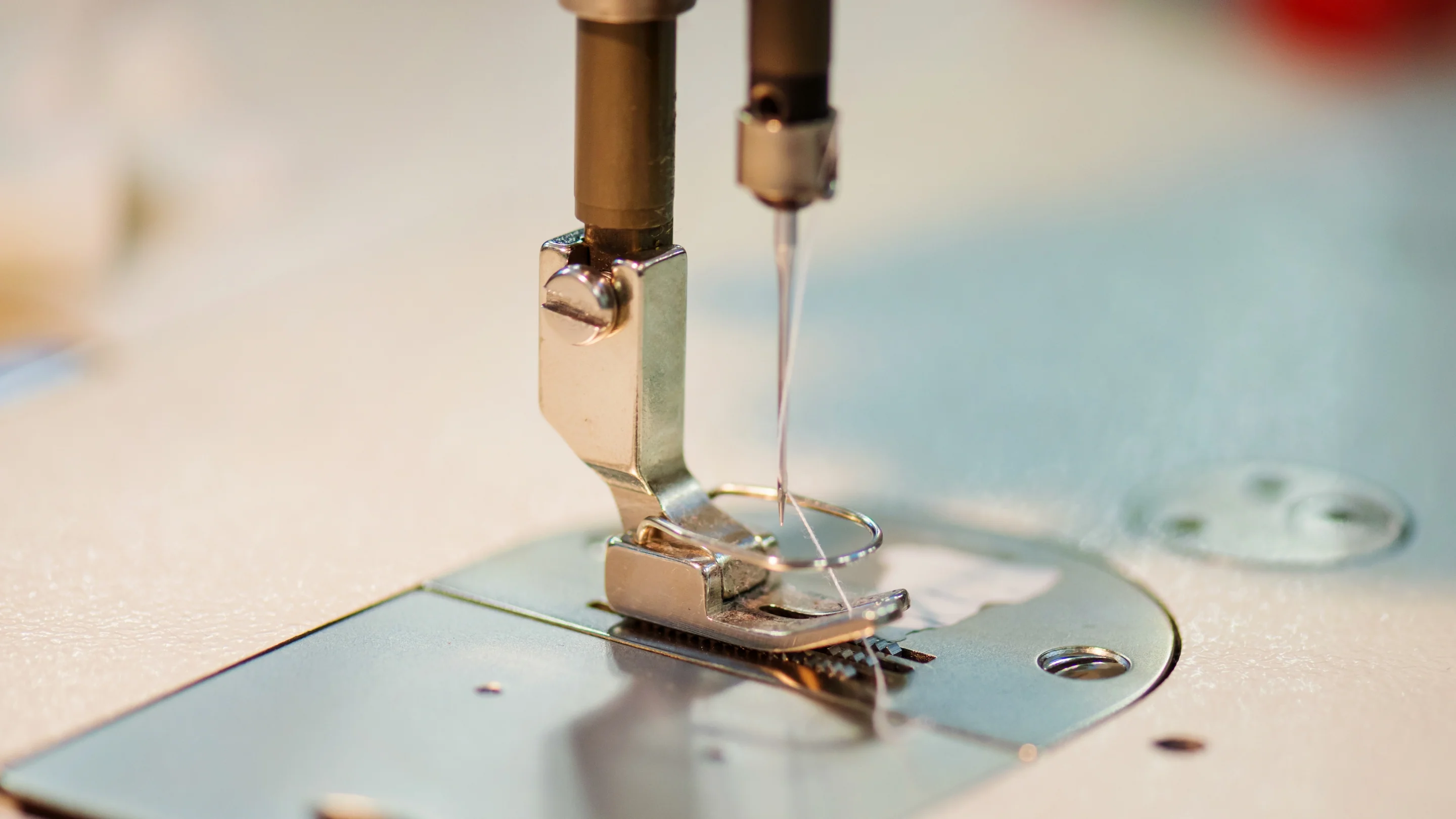
Manufacturing our products is a complex process that blends design, technology and craftsmanship. Although we adjust the process to suit the garment design and fabric type, we broadly follow the same key steps:
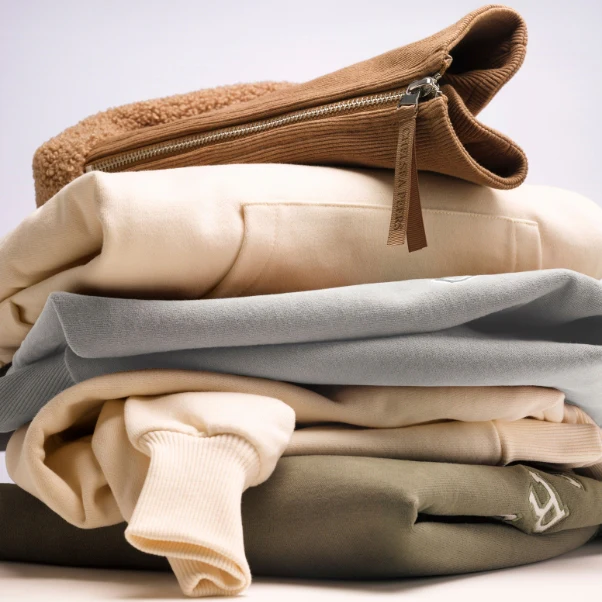
Fabric selection
The fabrics we use vary widely across our collections, shaped by design, season and style. Our pyjamas call for softness, ease of movement and comfort, while a sweatshirt needs something cosy, warm and soft to the touch. Wherever possible, we turn to certified organic cotton, recycled polyester and fabrics made with TENCEL™ fibres, certified to globally recognised standards including GOTS and GRS.
Fitting and approvals
Our Technologists fit every style on a model multiple times to ensure design, comfort, fit, and sizing are just as we intended. Our Design team also approves every component that makes up our products, from the colours in our intricate prints to the styling details like trims and buttons.

Dyeing
Dyeing is one of the main starting points of the fabric process, involving close collaboration between our design and manufacturing teams to achieve the perfect colours and to align with our seasonal vision. Selecting the right dyeing method depends on a variety of factors, including desired colour, depth and tone, as well as the fabric itself.
All our GOTS and GRS certified styles require strict controls on the types of dyes used in their production and restrict the use of dyes and chemicals harmful to health and the environment, in line with each standard’s restricted substances list. We also expect this of any non-certified styles.
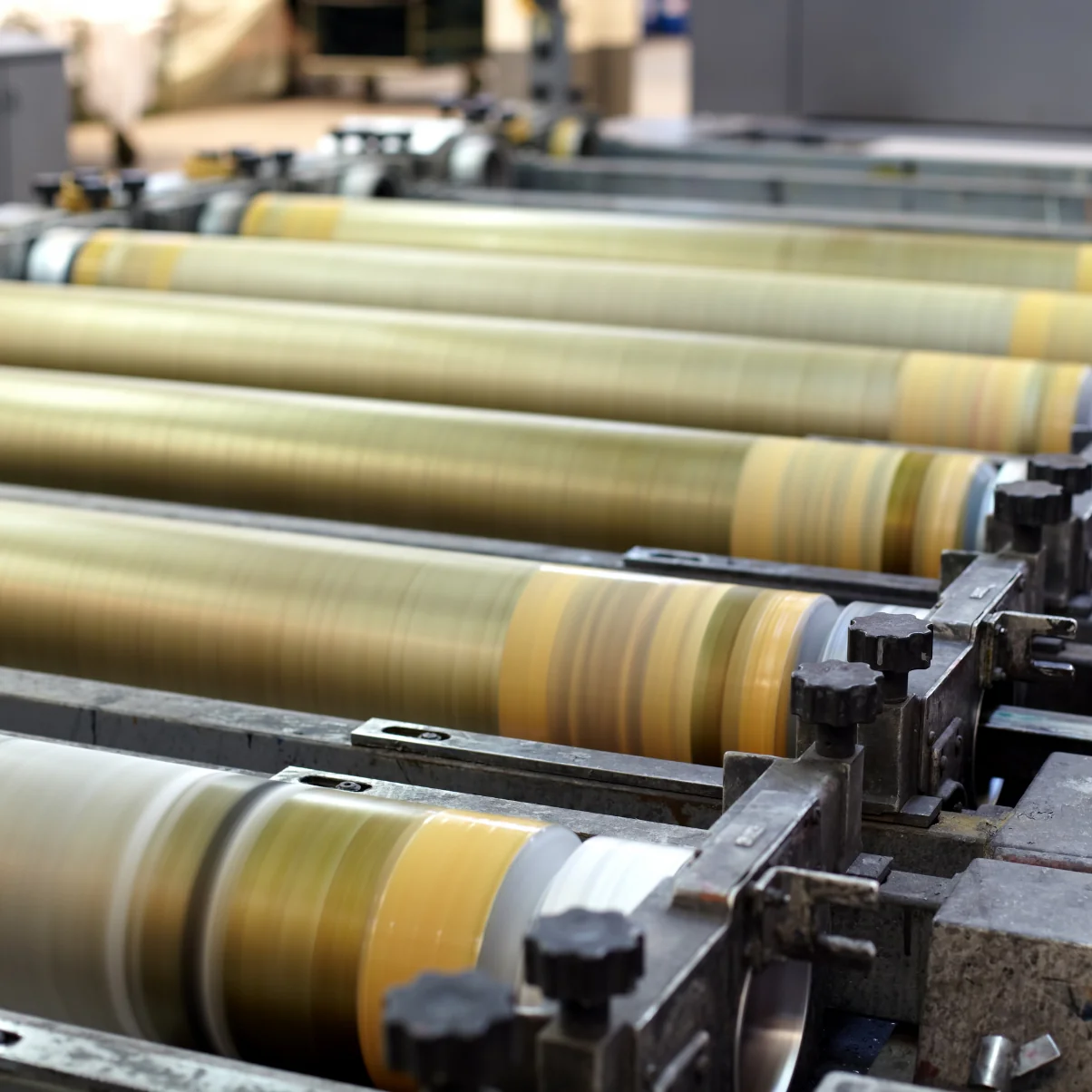
We use 3 printing methods
Rotary screen printing:
A continuous process where fabric passes through a machine containing engraved cylindrical rollers. Each roller transfers a single colour and a single element of the print design. It's perfect for our detailed, multi-coloured illustrations, as well as for applying finishes such as foiling.
Digital Textile printing:
We use this approach for our most detailed prints, primarily on satin and woven cotton, as well as across our swimwear range. Our designs are printed directly onto fabric using digital textile printing.
Screen-based placement printing:
This method allows for precise application of prints to specific areas of our more intricate nightwear pieces.

Embellishing
Appliqué - a type of embroidery used on some of our sleepwear sets - is often completed at this stage. It involves cutting fabric pieces into specific shapes and stitching them onto the base fabric using specialised embroidery machines before the garment is assembled.
Finishing
To achieve the super-soft hand-feel of all of our jersey pyjamas, the fabric undergoes a specialised finishing process known as peaching. This technique involves gently brushing the fabric's surface to raise fine fibres, creating a velvety texture that makes the fabric exceptionally soft against the skin.

Cutting
Rolls of dyed or printed fabrics are cut by our manufacturing team using a variety of techniques, including laser cutters and electric shears. They carefully plan how each pattern piece is cut to minimise fabric waste; lay plans are used to map out the most efficient cutting layout possible.
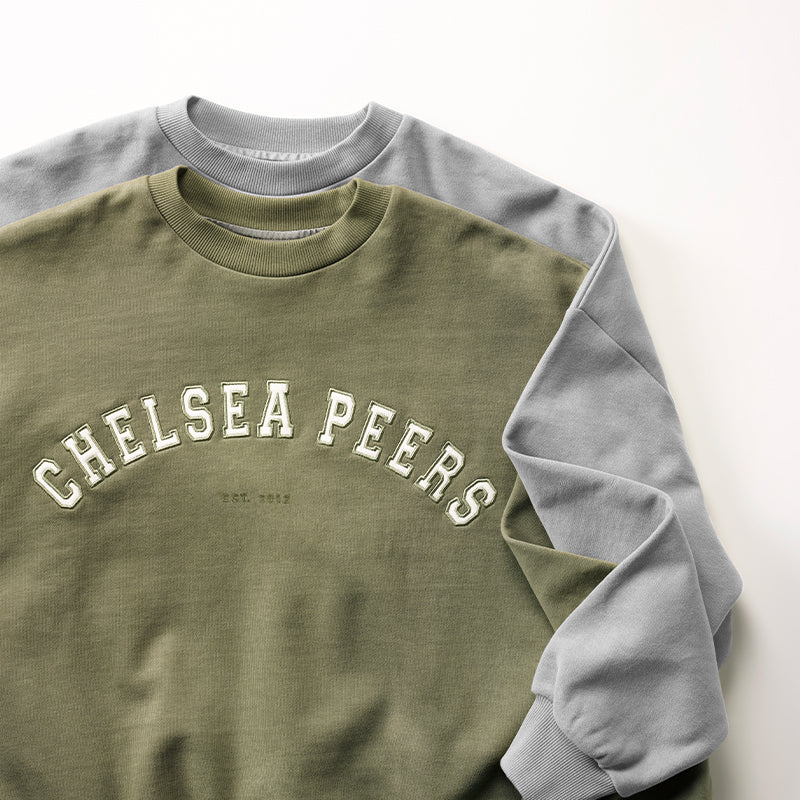
Sewing
Once all components for the garments are prepared and ready for sewing, a team of skilled machinists constructs the garment piece by piece, ensuring every step receives the care and attention it deserves. After the major components are assembled, finishing touches, such as attaching bows, buttons and ties, are completed.
Quality inspections, packing and shipping
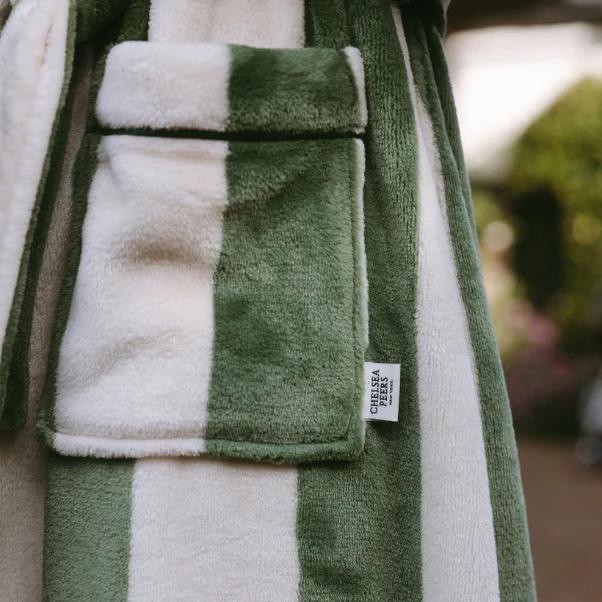
All our products undergo stringent quality checks by our production team before being packed and shipped to our warehouses. This includes checking stitching, colour consistency, labelling, sizing and overall appearance.
Our manufacturing community
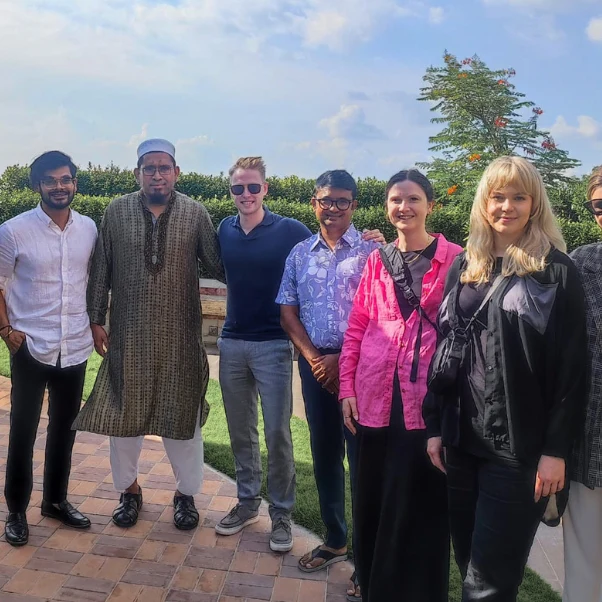
We rely on the hard work and dedication of our global manufacturing partners, primarily based in Bangladesh, India, China, Cambodia and Pakistan, to deliver the quality products that define our brand. We carefully select suppliers based on their commitment to ethics, health and safety, and all must adhere to our Supplier Code of Conduct.

The supplier code of conduct
The Code is guided by the ILO's fundamental principles and rights at work and the ETI Base Code, and requires that:
- Employment is freely chosen
- Freedom of association and the right to collective bargaining are respected
- Working conditions are safe and hygienic
- There is no child labour
- Living wages are paid
- Working hours are not excessive
- No discrimination is practised
- Regular employment is provided
- No harsh or inhumane treatment or harassment is allowed
Our supply chain standards
We understand that some local laws are more stringent than the ETI Base Code, and we expect our supply partners to respect those laws where they offer workers greater protection.
We also expect all suppliers to use no chemicals in any areas of their processes that do not meet UK and EU REACH requirements as a minimum, protecting the health of all workers and the environment.
All suppliers must hold an annual social audit certification from one of the following: Smeta/SEDEX, amfori BSCI, or WRAP. Undertaken by independent third parties, these audits assess factory safety and the human rights of all workers, providing an honest, unbiased picture of working life at each of our manufacturing locations.
We aim to visit our supply chain at least annually. Visiting our suppliers builds the trust and transparency that underpins everything else, giving us a first-hand view of working conditions, quality processes and operational realities that documentation alone can never provide. Face-to-face visits also promote stronger working relationships.
Proud to be made in Bangladesh
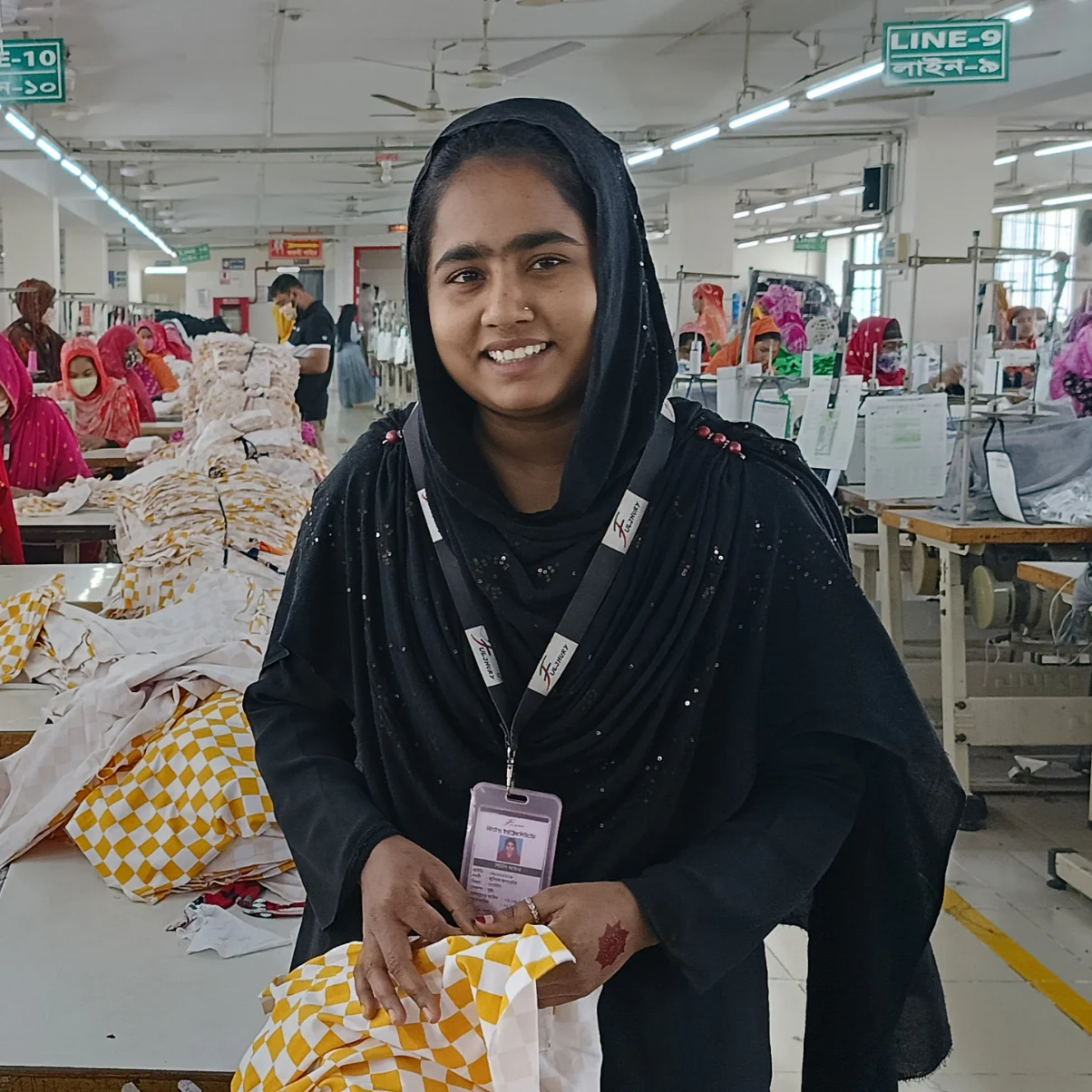
Many of our collections are manufactured in Bangladesh, a global leader in garment production, renowned for its highly skilled workforce and integrated manufacturing approach.
All our Bangladeshi factories are covered by the International Accord, which provides independent safety inspections, remediation and a worker complaints mechanism.


